

Carton Right-Sizing
Use accurate item master data to right-size your box lineup. Stock fewer box sizes and ship less air.
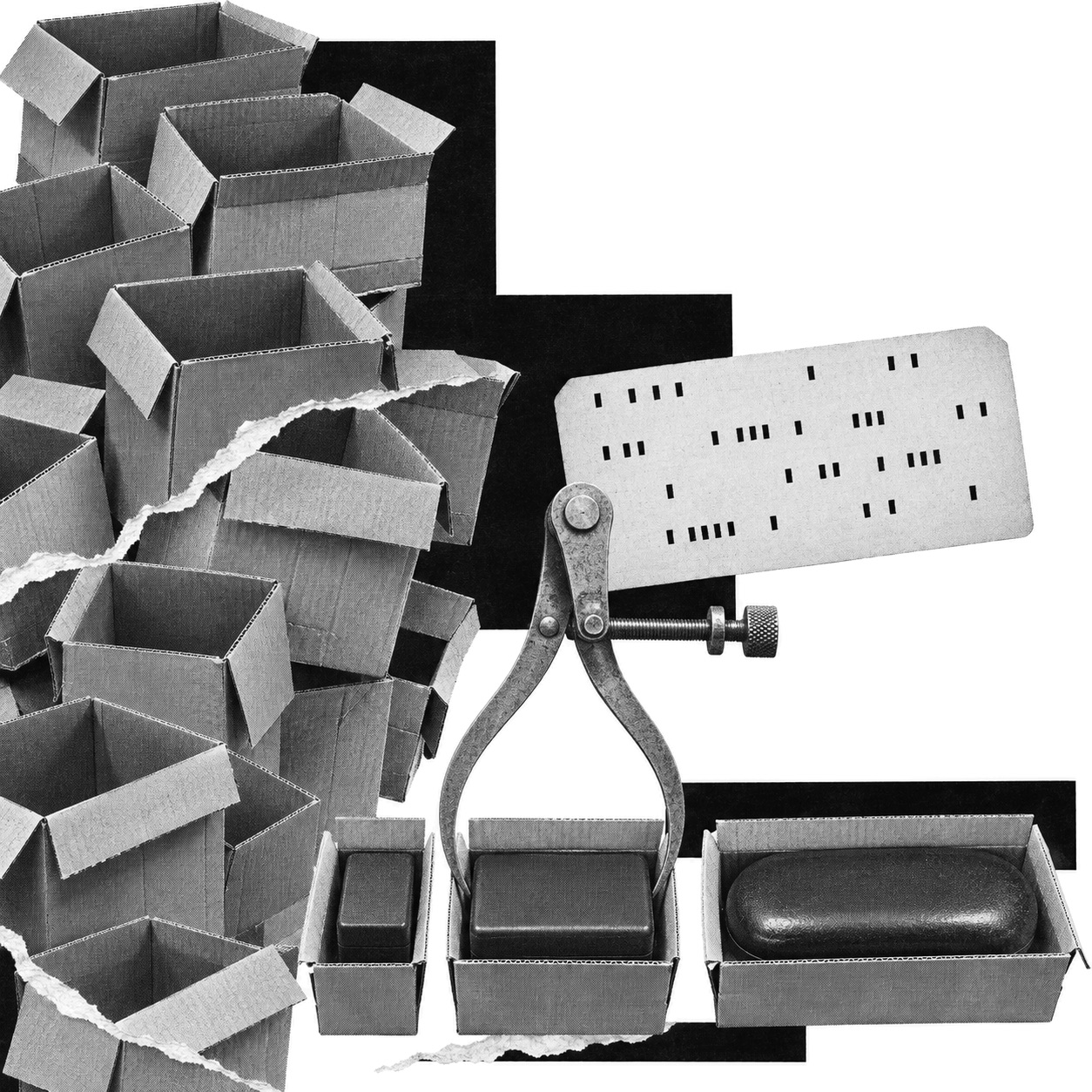
Right-Size Your Box Lineup
Most warehouses choose their box sizes once and keep buying them for years. Products change and new items arrive, but the box lineup stays the same. Packers reach for boxes that are too big, and every shipment pays to ship air.
Carton right-sizing reads your item master data and recommends the set of box sizes that fits what you ship today. You stock fewer box sizes, and each order goes in a box closer to its size. Run it again each year, or each quarter when your products change often.
Why does your box lineup matter?
The box sizes you stock decide how much air every order ships with. A lineup that no longer fits your products costs you on every order.
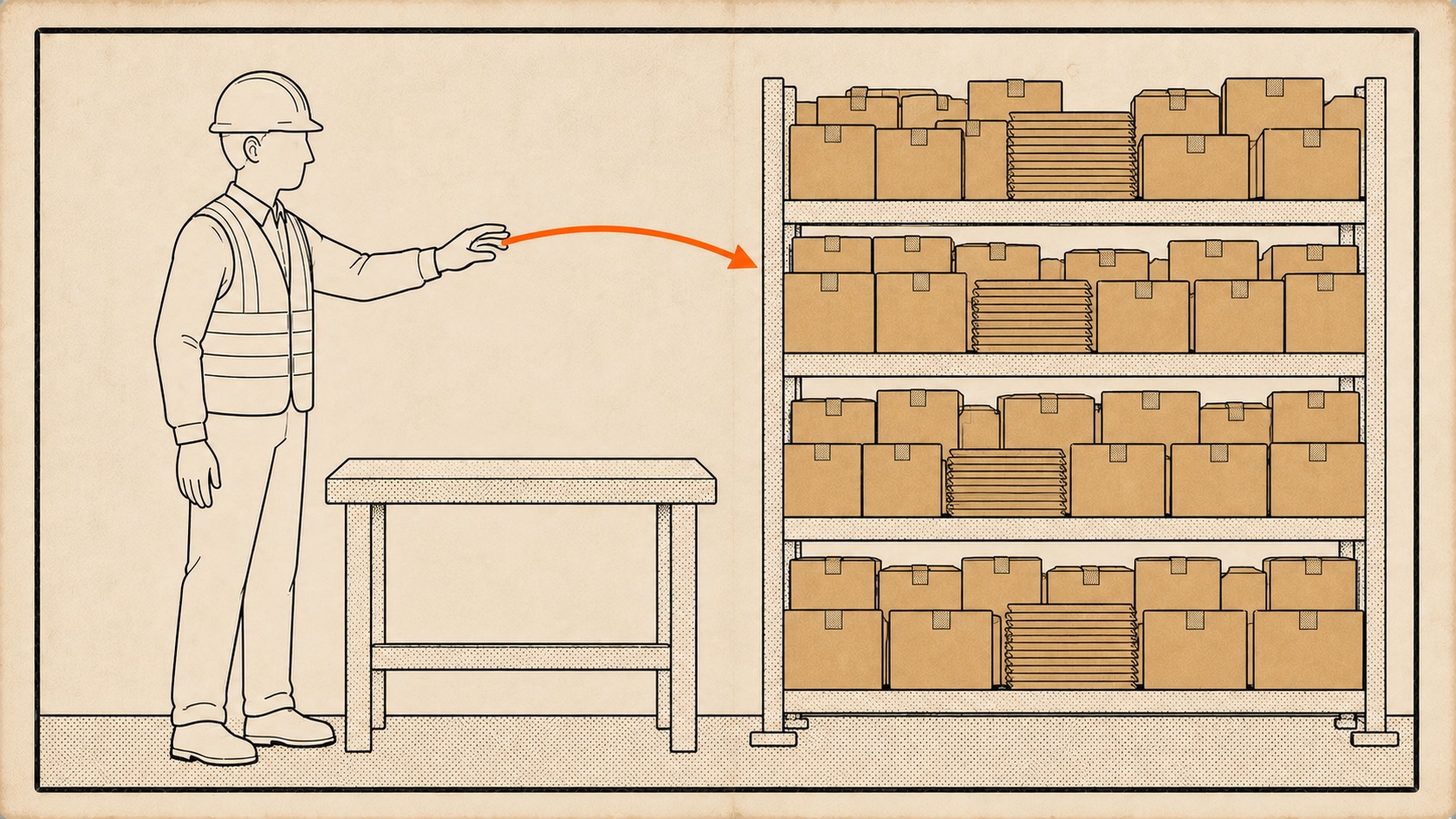
Too many box sizes
Every extra box size takes shelf space, buying time, and a choice at the pack station. Packers slow down when they pick from a wall of boxes that are close in size.
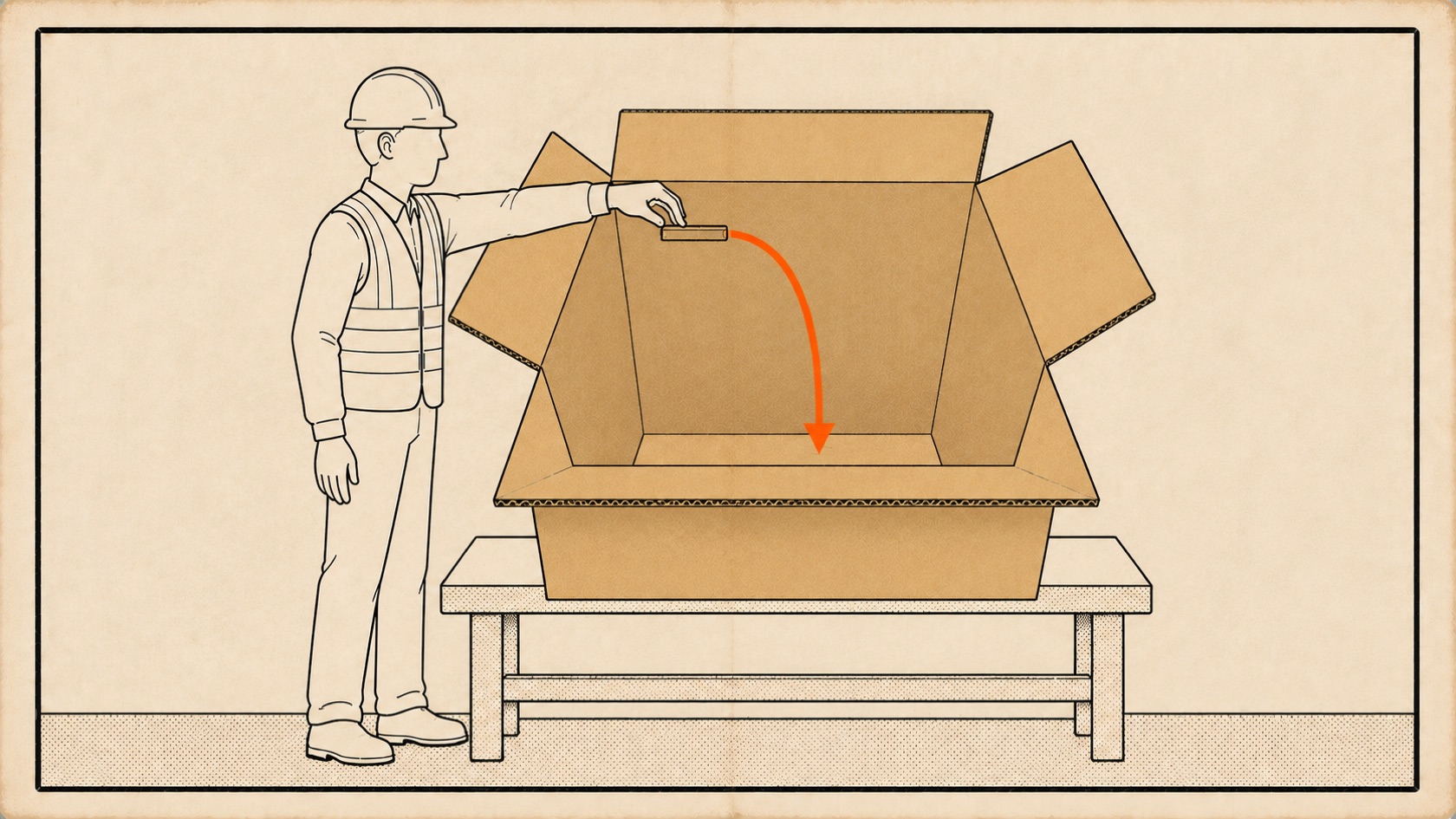
Boxes that no longer fit
New products arrive and old ones leave, but the lineup stays the same. Orders go in boxes that are too big, so you pay for void fill and for dimensional weight.
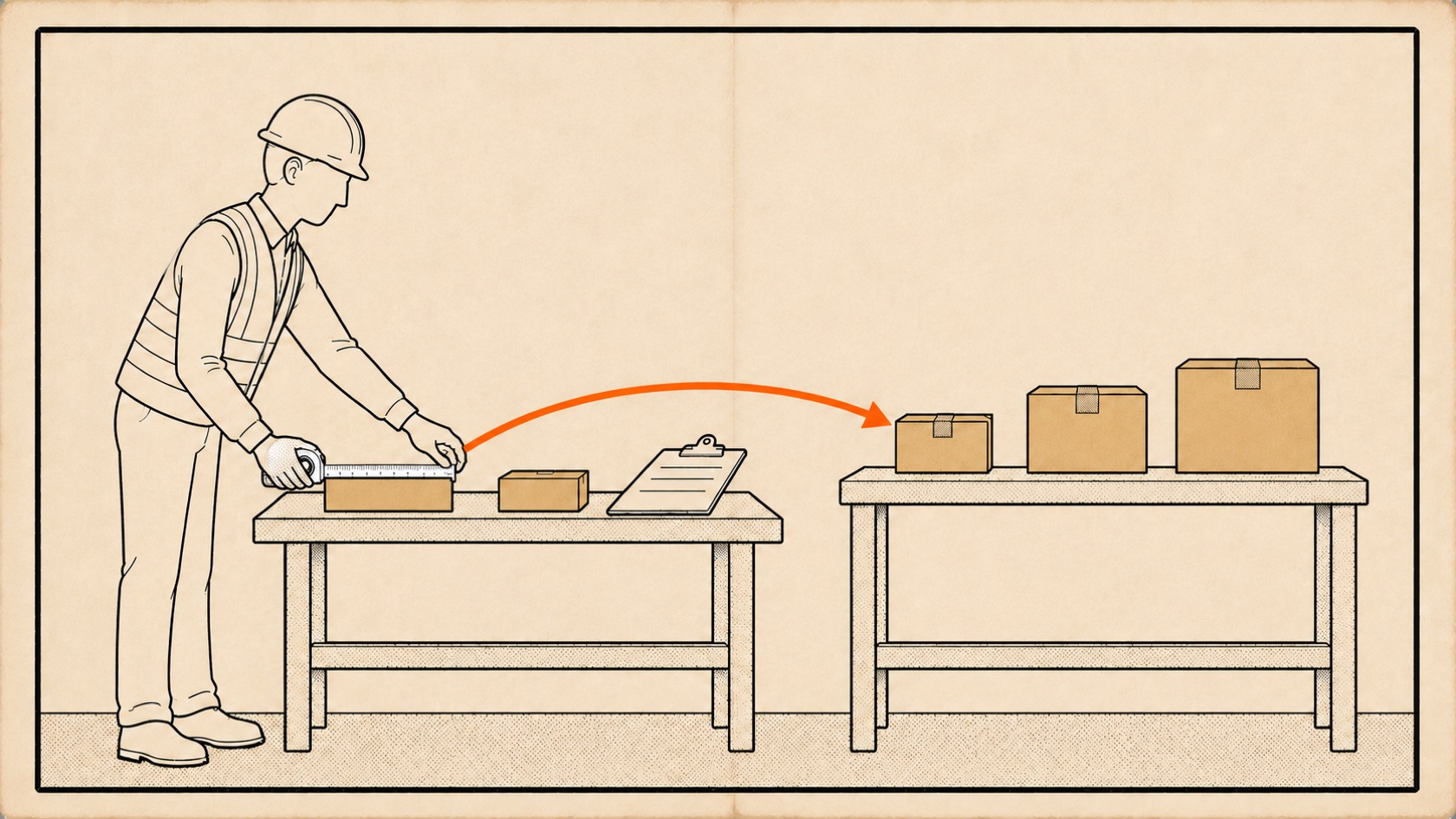
A lineup built from your data
Carton right-sizing starts from the dimensions of the items you actually ship. It recommends the fewest box sizes that still fit your orders closely.
What is carton right-sizing?
Carton right-sizing chooses which box sizes a warehouse stocks, so each order fits a box close to its size. It reads the size and weight of every item you ship and the orders you packed. Then it recommends a shorter lineup of boxes that fit better. People mix up three terms here. They work together, but each one answers a different question.
Carton right-sizing
Answers which box sizes to stock. It runs on your item data and order history, and you run it again when your products change.
Cartonization
Answers which box to use for each order, from the sizes on your shelf. It runs at the pack station on every order. Read about cartonization.
Right-sized packaging
The result both aim for. Each order ships in a box with little empty space. So the order needs less void fill and costs less to ship.
How does carton right-sizing work?
Carton right-sizing runs in four steps, from your product data to a new box lineup. It works on orders you already shipped, so nothing changes on the pack floor until you choose the new sizes.
The analysis starts with the length, width, height, and weight of every item you ship. When those numbers are wrong, every box choice built on them is wrong too.
It takes months of real orders and packs each one again on paper. It tests how the items in each order fit inside many possible box sizes.
It keeps the smallest set of box sizes that still fits your orders closely. Fewer sizes means less to buy, store, and choose from at the pack station.
Products change and new items arrive. Run the analysis again each year, or each quarter when your products change often.
How does dimensional weight decide what a box costs?
Carriers charge for the space a box takes up, not only for what it weighs. They multiply the length, width, and height, then divide by a number called the divisor. When that result is more than the real weight, you pay for the bigger number.
That’s why a box that’s too big costs more, even when the item inside is light. Since Aug. 18, 2025, FedEx and UPS also round each side up to the next whole inch before they do the math. So a side of 11.1 inches bills as 12 inches. Try it below. Enter a box you use today and a box that fits the same item more closely.
The box you use today
0lb billed
A box that fits the item
0lb billed
The math rounds each side up to the next whole inch, then divides the volume by the divisor. The FedEx and UPS daily rate divisor for 2026 is 139. Carriers change it, so check yours.
How does carton right-sizing connect to cartonization?
Carton right-sizing sits between item master data and cartonization in the flow.
Item Master Data
Right-sizing needs the true size and weight of every product. Items listed at 1 by 1 by 1 inch, a common placeholder, lead to a lineup that fits nobody.
Carton Right-Sizing
Clean item data goes in, and a short lineup of box sizes comes out.
Cartonization
Cartonization picks a box for each order from the sizes on your shelf. A right-sized lineup gives it better choices.
What metrics should you track?
Four metrics tell you whether your box lineup still fits your orders.
Air Volume
The share of empty space inside each shipped box. It falls when the lineup fits your orders.
Box SKU Count
The number of box sizes you stock. Lower is better, as long as the sizes still fit your orders.
Dunnage Cost
The cost of void fill for each order. It drops as boxes fit their items more closely.
Repack Rate
The share of packed orders that get opened and packed again. A lineup that fits sends fewer orders back to the pack station.
Frequently asked questions
Short answers to the questions people search most about carton right-sizing.
Case Studies
Learn more about how packchain right-sizes cartons based on order history. It also tunes the carton SKU count to lower the percentage of air you ship to customers.